


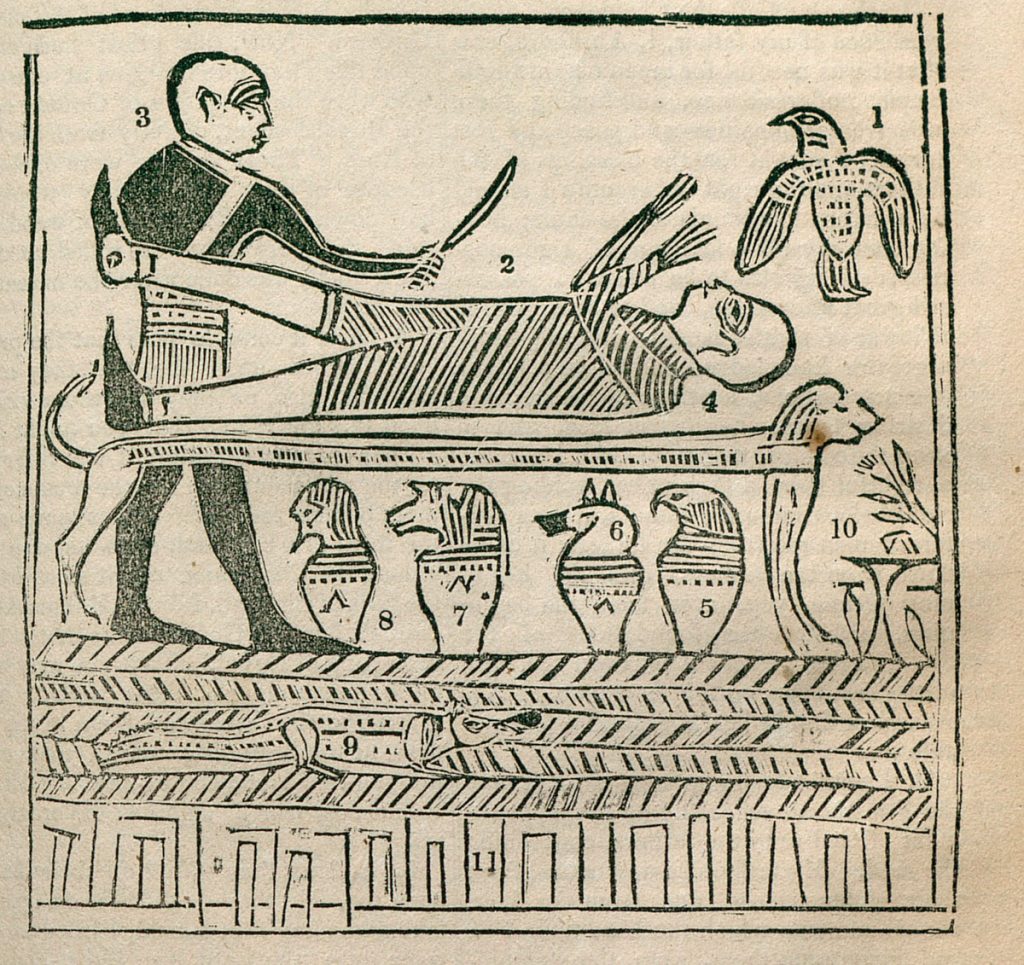
 Figure 27. Facsimile 1 of the Book of Abraham as it appeared in the March 1, 1842, issue of the Times and Seasons under the editorship of Joseph Smith. © Intellectual Reserve, Inc. Courtesy Church History Library, The Church of Jesus Christ of Latter-day Saints.
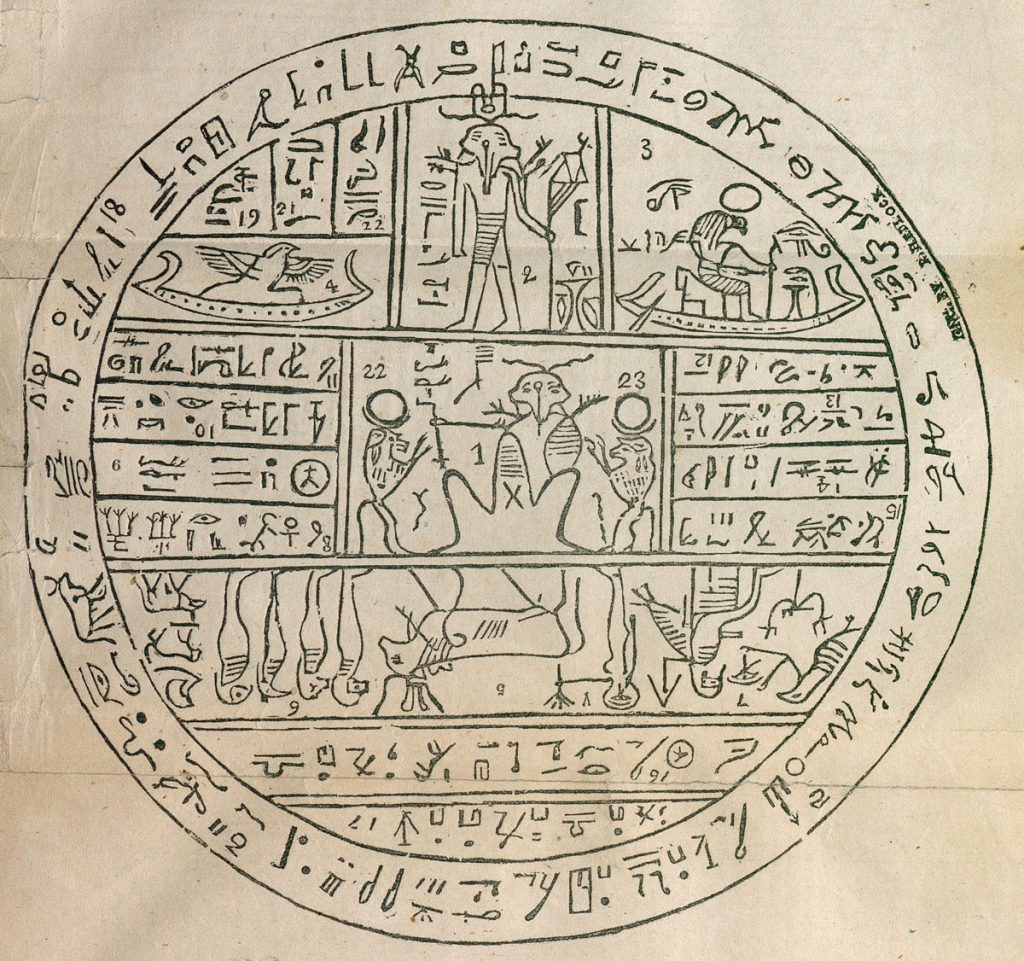 Figure 28. Facsimile 2 of the Book of Abraham as it appeared in the March 15, 1842, issue of the Times and Seasons under the editorship of Joseph Smith. © Intellectual Reserve, Inc. Courtesy Church History Library, The Church of Jesus Christ of Latter-day Saints.
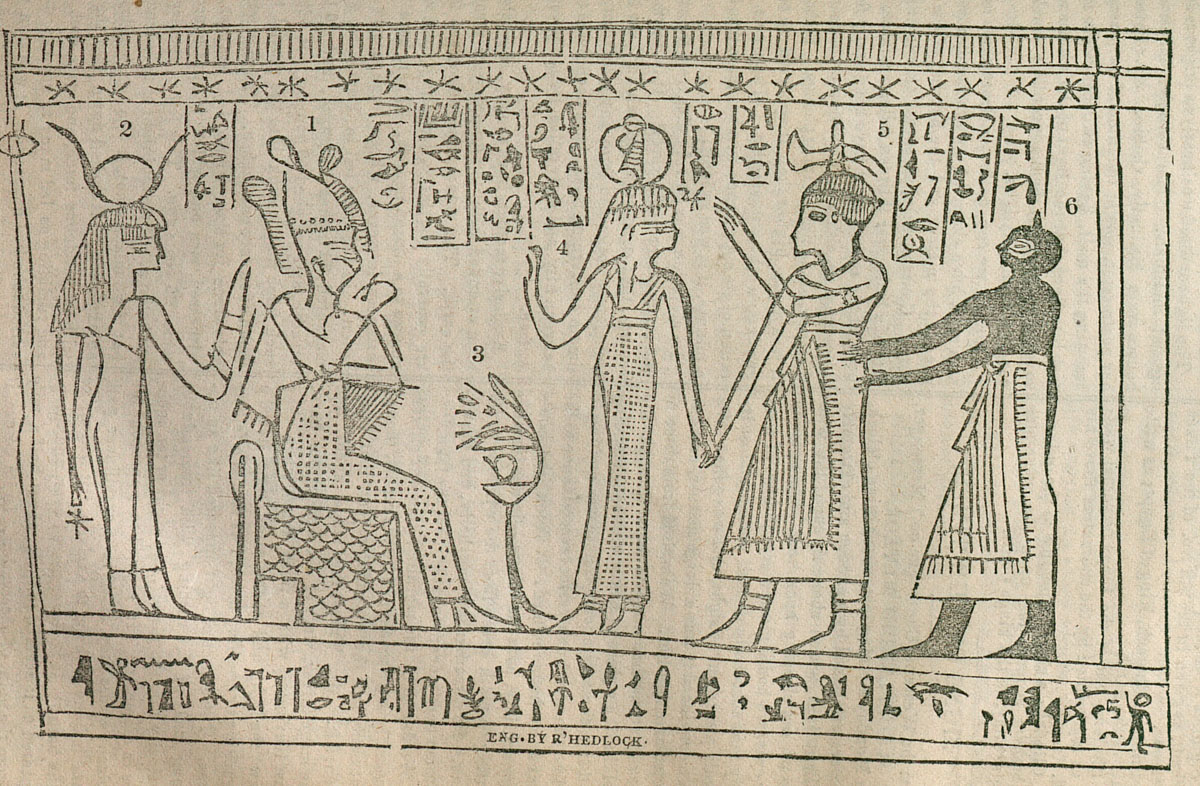 Figure 29. Facsimile 3 of the Book of Abraham as it appeared in the May 16, 1842, issue of the Times and Seasons under the editorship of Joseph Smith. © Intellectual Reserve, Inc. Courtesy Church History Library, The Church of Jesus Christ of Latter-day Saints.
Notes
1. John Gee, “A Method for Studying the Facsimiles,” FARMS Review 19, no. 1 (2007): 347.
2. John Gee, A Guide to the Joseph Smith Papyri (Provo, Utah: Foundation for Ancient Research and Mormon Studies, 2000), 33–41; Gee, “Method for Studying the Facsimiles,” 347–53; John Gee, “The Facsimiles,” in An Introduction to the Book of Abraham (Salt Lake City: Deseret Book; Provo, Utah: Religious Studies Center, Brigham Young University, 2017), 143–56; Hugh Nibley, “What, Exactly, Is the Purpose and Significance of the Facsimiles in the Book of Abraham?,” Ensign 6, no. 3 (March 1976): 34–36; Hugh Nibley, “The Facsimiles of the Book of Abraham: A Response,” in An Approach to the Book of Abraham, ed. John Gee, The Collected Works of Hugh Nibley 18 (Salt Lake City: Deseret Book; Provo, Utah: Foundation for Ancient Research and Mormon Studies, Neal A. Maxwell Institute for Religious Scholarship, 2009), 493–501; Michael D. Rhodes, “Teaching the Book of Abraham Facsimiles,” Religious Educator 4, no. 2 (2003): 115–23; Michael D. Rhodes, “Facsimiles from the Book of Abraham,” in The Encyclopedia of Mormonism, ed. Daniel H. Ludlow, 4 vols. (New York: Macmillan, 1992), 1:135–37; Kevin L. Barney, “The Facsimiles and Semitic Adaptation of Existing Sources,” in Astronomy, Papyrus, and Covenant, ed. John Gee and Brian M. Hauglid (Provo, Utah: Foundation for Ancient Research and Mormon Studies, 2005), 107–30; Allen J. Fletcher, A Study Guide to the Facsimiles of the Book of Abraham (Springville, Utah: Cedar Fort, 2006); Terryl Givens with Brian M. Hauglid, The Pearl of Greatest Price: Mormonism’s Most Controversial Scripture (New York: Oxford University Press, 2019), 142–53.
3. Robert C. Webb, “A Critical Examination of the Fac-Similes in the Book of Abraham,” Improvement Era 16, no. 5 (March 1913): 435–54; H. Donl Peterson, The Story of the Book of Abraham: Mummies, Manuscripts, and Mormonism (Salt Lake City: Deseret Book, 1995), 252; Rhodes, “Teaching the Book of Abraham Facsimiles,” 115–23.
4. Gee, “Method for Studying the Facsimiles,” 347–53.
5. Kerry Muhlestein, “The Religious and Cultural Background of Joseph Smith Papyrus I,” Journal of the Book of Mormon and Other Restoration Scripture 22, no. 1 (2013): 20–33.
6. Barney, “Facsimiles and Semitic Adaptation,” 107–30.
7. Givens, Pearl of Greatest Price, 180–202.
8. John S. Thompson, “‘We May Not Understand Our Words’: The Book of Abraham and the Concept of Translation in The Pearl of Greatest Price,” Interpreter: A Journal of Latter-day Saint Faith and Scholarship 41 (2020): 24–29.
9. Michael D. Rhodes, The Hor Book of Breathings: A Translation and Commentary (Provo, Utah: Foundation for Ancient Research and Mormon Studies, 2002), 3.
10. With regard to the authorship of the explanations of the facsimiles, it should be kept in mind that “while we do not know if Joseph Smith is the original author of these interpretations, we know he participated in preparing the published interpretations and gave editorial approval to them.” Kerry Muhlestein, “Joseph Smith’s Biblical View of Egypt,” in Approaching Antiquity: Joseph Smith and the Ancient World, ed. Lincoln H. Blumell, Matthew J. Grey, and Andrew H. Hedges (Provo, Utah: Religious Studies Center, Brigham Young University; Salt Lake City: Deseret Book, 2015), 469 n. 10. Compare the observations made in Quinten Zehn Barney, “The Neglected Facsimile: An Examination and Comparative Study of Facsimile No. 3 of The Book of Abraham” (master’s thesis, Brigham Young University, 2019), 57–60.
11. Kerry Muhlestein, quoted in Stephen Smoot, “Egyptology and the Book of Abraham: An Interview with Egyptologist Kerry Muhlestein,” FairMormon Blog (November 14, 2013), https://www.fairmormon.org/blog/2013/11/14/egyptology-and-the-book-of-abraham-an-interview-with-egyptologist-kerry-muhlestein.
12. In addition to the sources cited above, see additionally Michael D. Rhodes, “The Joseph Smith Hypocephalus . . . Twenty Years Later,” unpublished manuscript, [1997], https://www.magicgatebg.com/Books/Joseph%20Smith%20Hypocephalus.pdf; John Gee, “Abracadabra, Isaac, and Jacob,” Review of Books on the Book of Mormon 7, no. 1 (1995): 19–85; and Hugh Nibley and Michael D. Rhodes, One Eternal Round, Collected Works of Hugh Nibley 19 (Salt Lake City: Deseret Book; Provo, Utah: Foundation for Ancient Research and Mormon Studies, Neal A Maxwell Institute for Religious Scholarship, 2010).
13. Muhlestein, quoted in Smoot, “Egyptology and the Book of Abraham.”
14. Gee, “Method for Studying the Facsimiles,” 353.
15. John Gee, “Facsimile 3 and Book of the Dead 125,” in Astronomy, Papyrus, and Covenant: Proceedings of the 1999 Book of Abraham Conference, ed. John Gee and Brian M. Hauglid (Provo, Utah: Foundation for Ancient Research and Mormon Studies, 2005), 95.
16. Gee, “Facsimile 3 and Book of the Dead 125,” 95–105; Barney, “Neglected Facsimile.”
17. “Egyptian was not really understood in Joseph Smith’s day. Not a single inscription in either hieratic or hieroglyphs had been completely translated before his death, and none were published until seven years afterwards. Joseph Smith was not in the tradition of Champollion to which Egyptology today belongs. Any knowledge he may have had did not come from that source, and indeed, everyone is in agreement about that.” John Gee, “Joseph Smith and Ancient Egypt,” in Blumell, Grey, and Hedges, Approaching Antiquity, 443.