


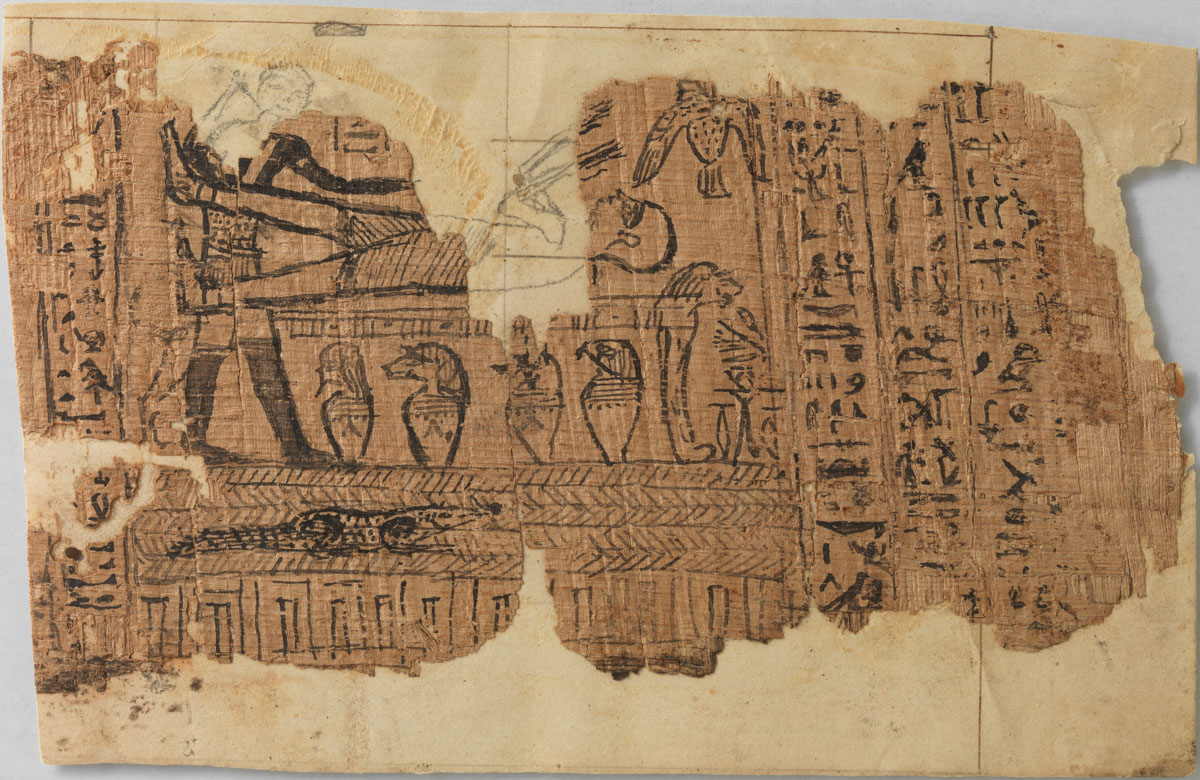
 Figures 1 and 2. P. Joseph Smith I (top) and XI, fragments of the Book of Breathings of Horos, ca. 238–153 BC. © Intellectual Reserve, Inc. Courtesy Church History Library, The Church of Jesus Christ of Latter-day Saints.
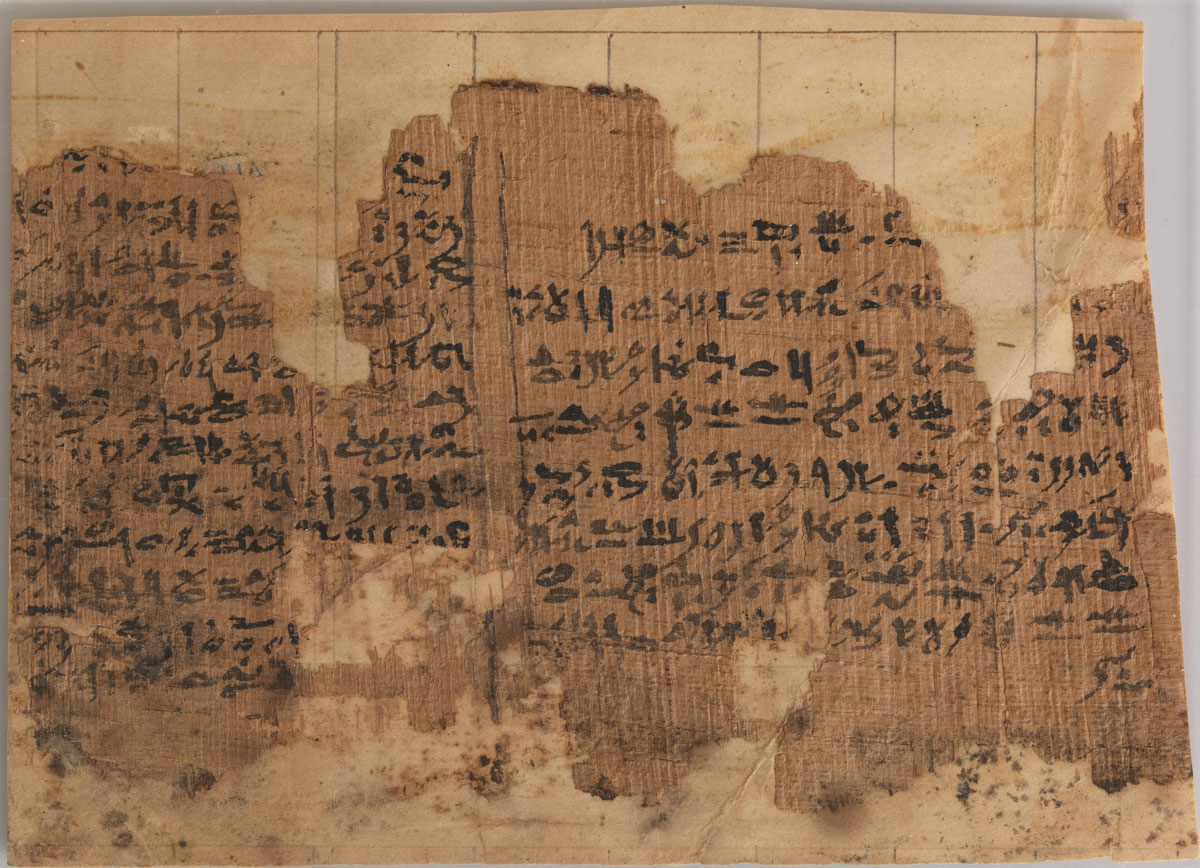 Figures 1 and 2. P. Joseph Smith I (top) and XI, fragments of the Book of Breathings of Horos, ca. 238–153 BC. © Intellectual Reserve, Inc. Courtesy Church History Library, The Church of Jesus Christ of Latter-day Saints.
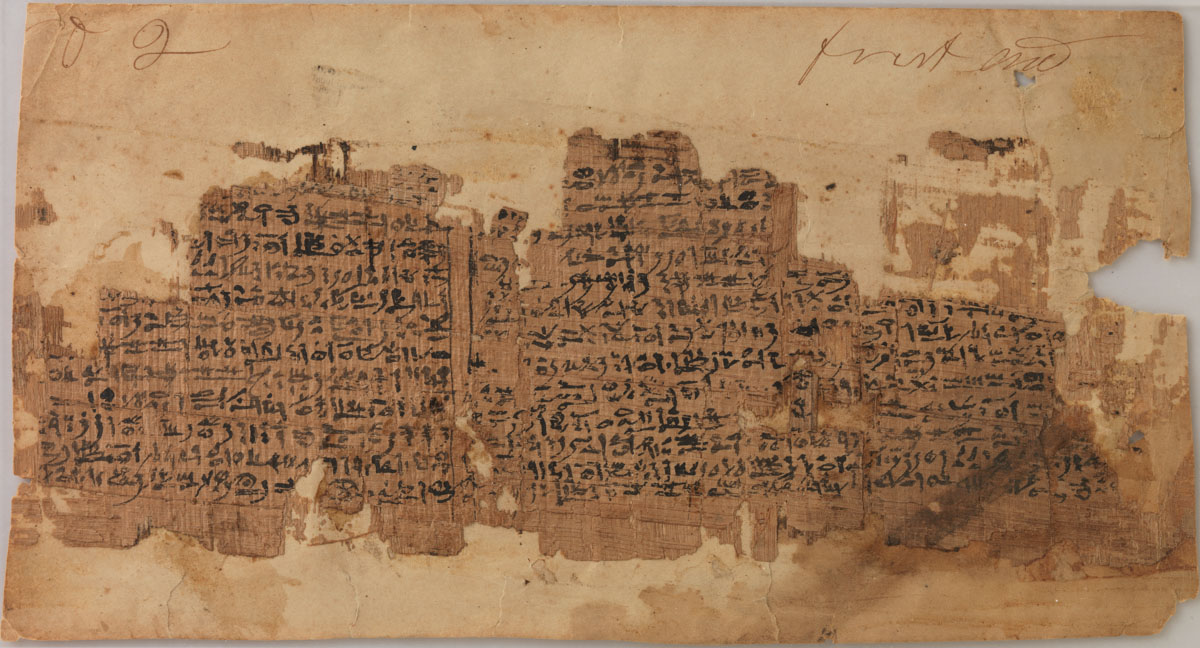 Figure 3. P. Joseph Smith X, fragment of the Book of Breathings of Horos, ca. 238–153 BC. © Intellectual Reserve, Inc. Courtesy Church History Library, The Church of Jesus Christ of Latter-day Saints.
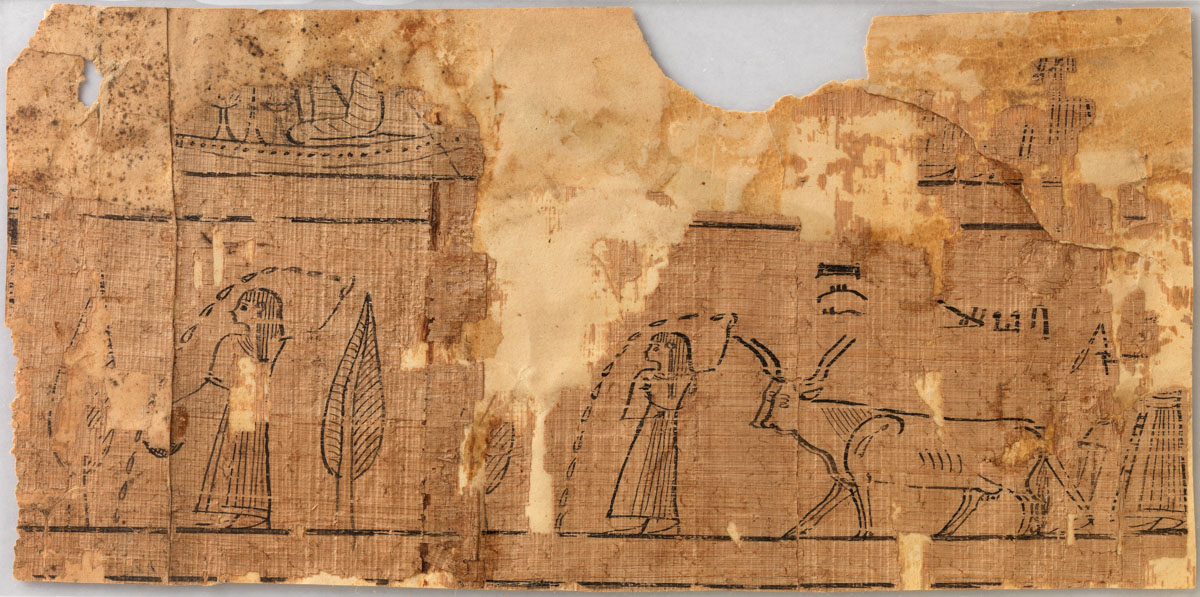 Figure 4. P. Joseph Smith II, fragment of the Book of the Dead of Tshemmin, ca. 300–100 BC. © Intellectual Reserve, Inc. Courtesy Church History Library, The Church of Jesus Christ of Latter-day Saints.
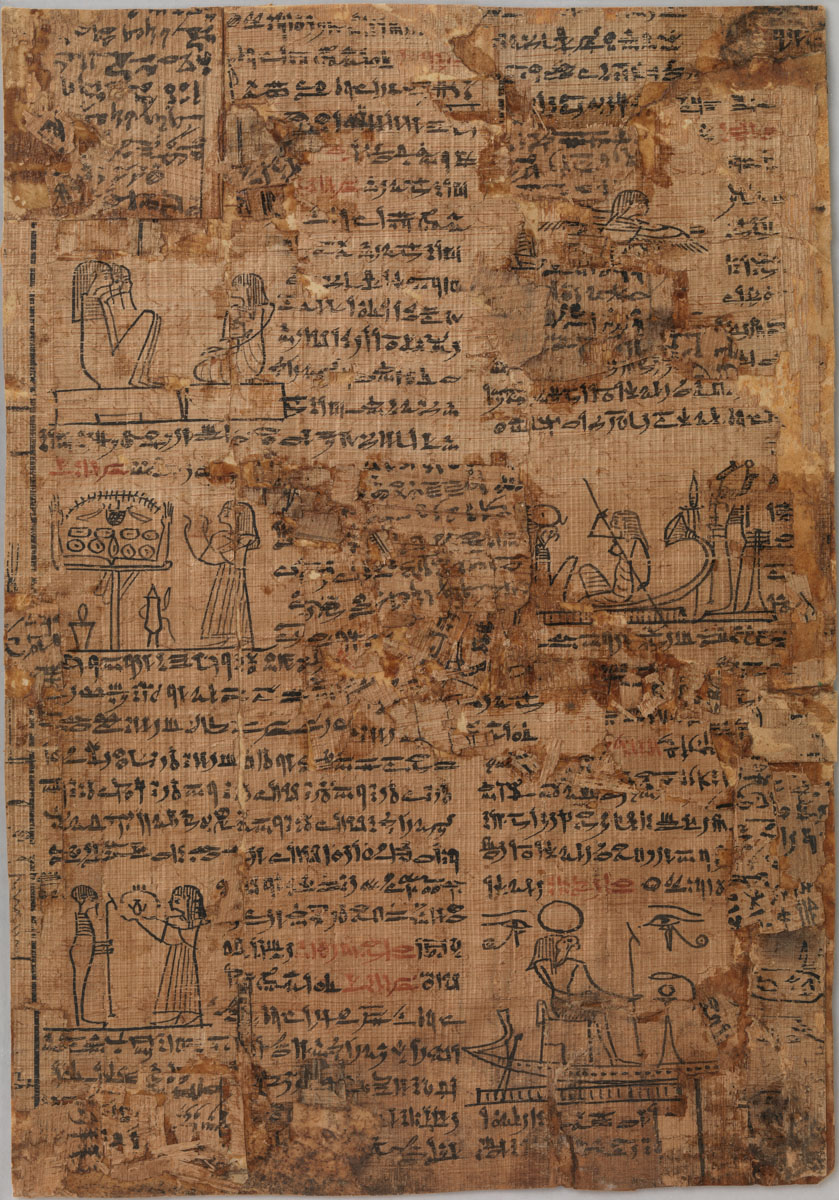 Figure 5. P. Joseph Smith IV, fragment of the Book of the Dead of Tshemmin, ca. 300–100 BC. © Intellectual Reserve, Inc. Courtesy Church History Library, The Church of Jesus Christ of Latter-day Saints.
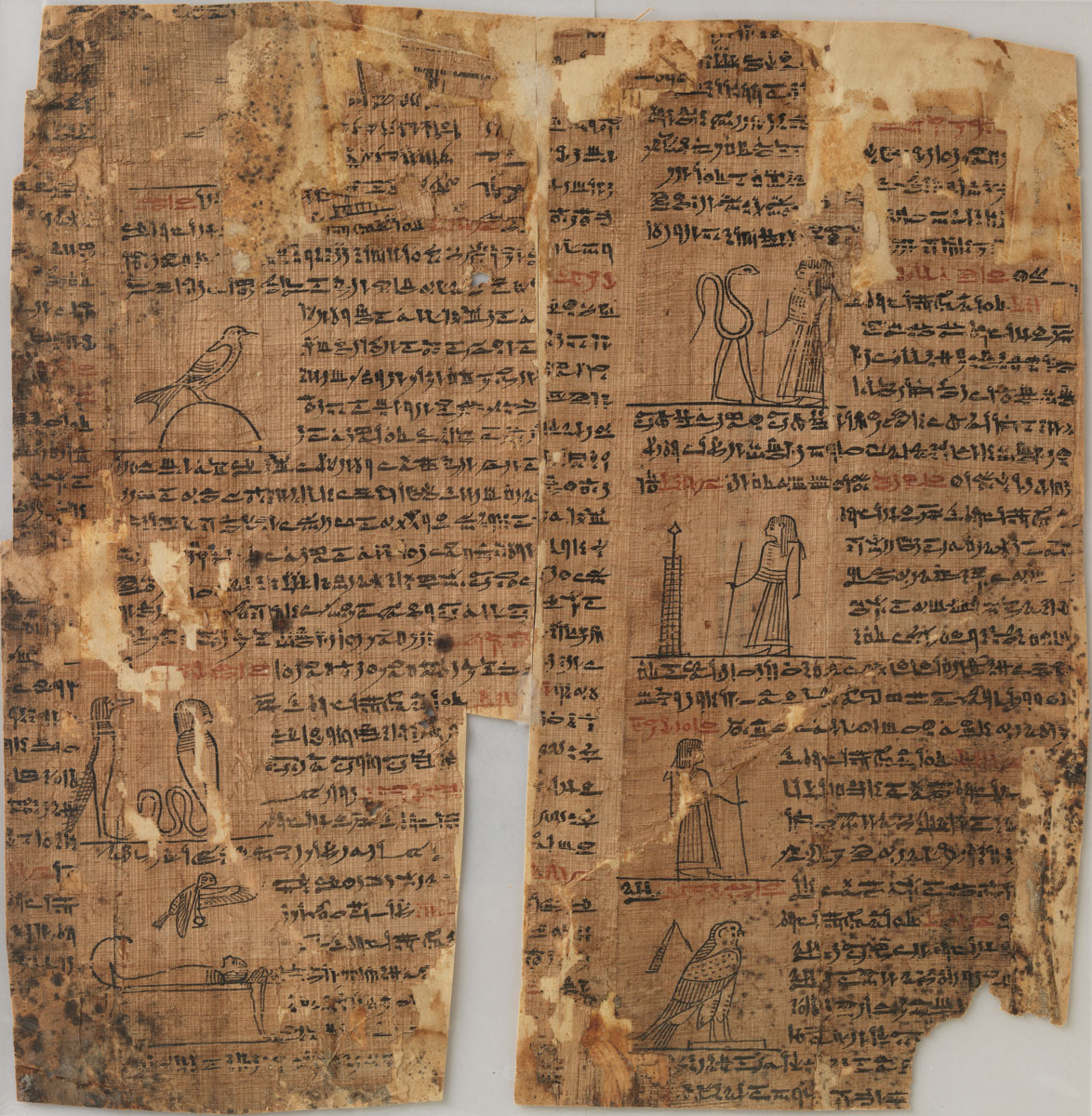 Figure 6. P. Joseph Smith V–VI, fragments of the Book of the Dead of Tshemmin, ca. 300–100 BC. © Intellectual Reserve, Inc. Courtesy Church History Library, The Church of Jesus Christ of Latter-day Saints.
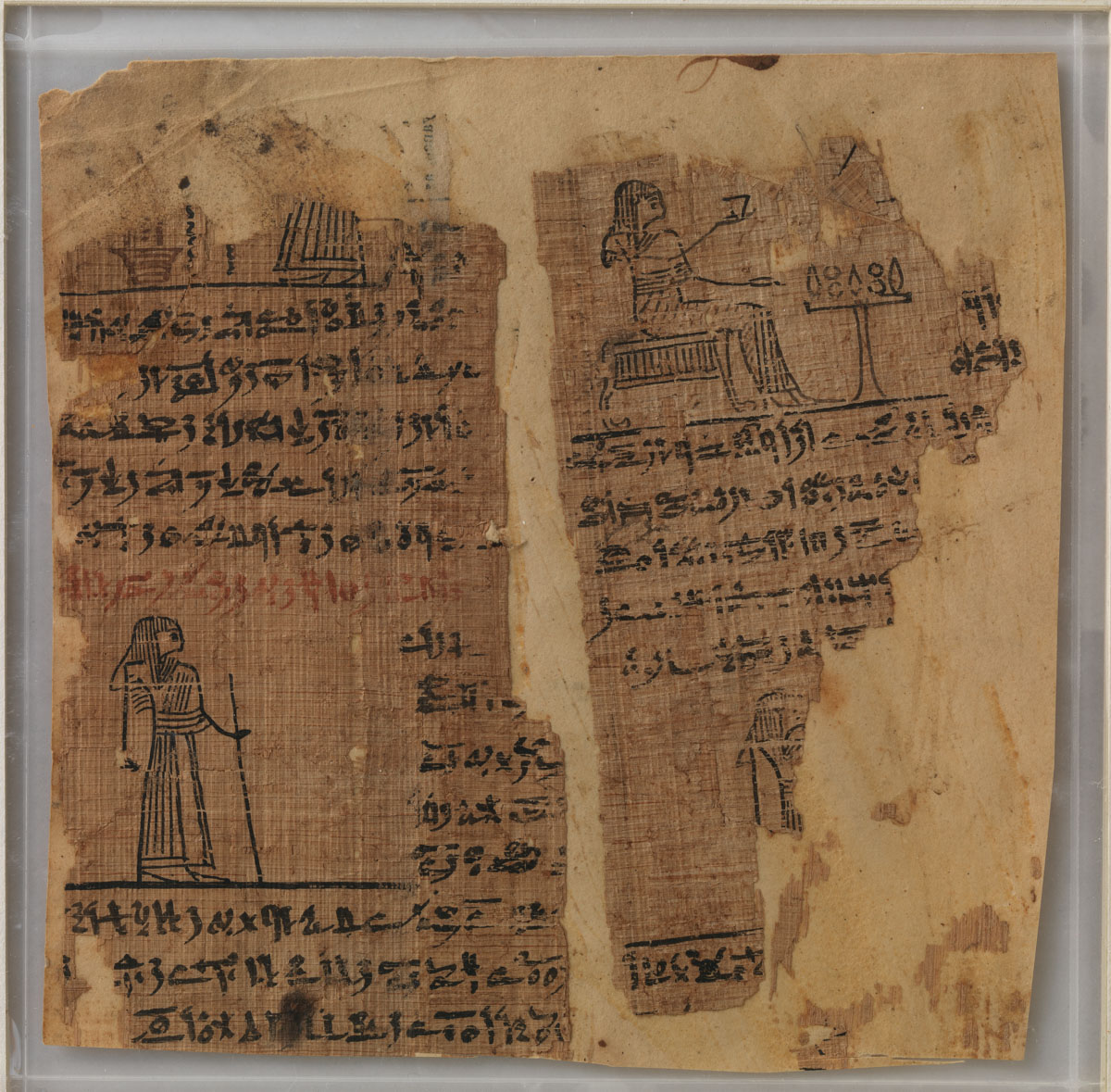 Figure 7. P. Joseph Smith VII, fragment of the Book of the Dead of Tshemmin, ca. 300–100 BC. © Intellectual Reserve, Inc. Courtesy Church History Library, The Church of Jesus Christ of Latter-day Saints.
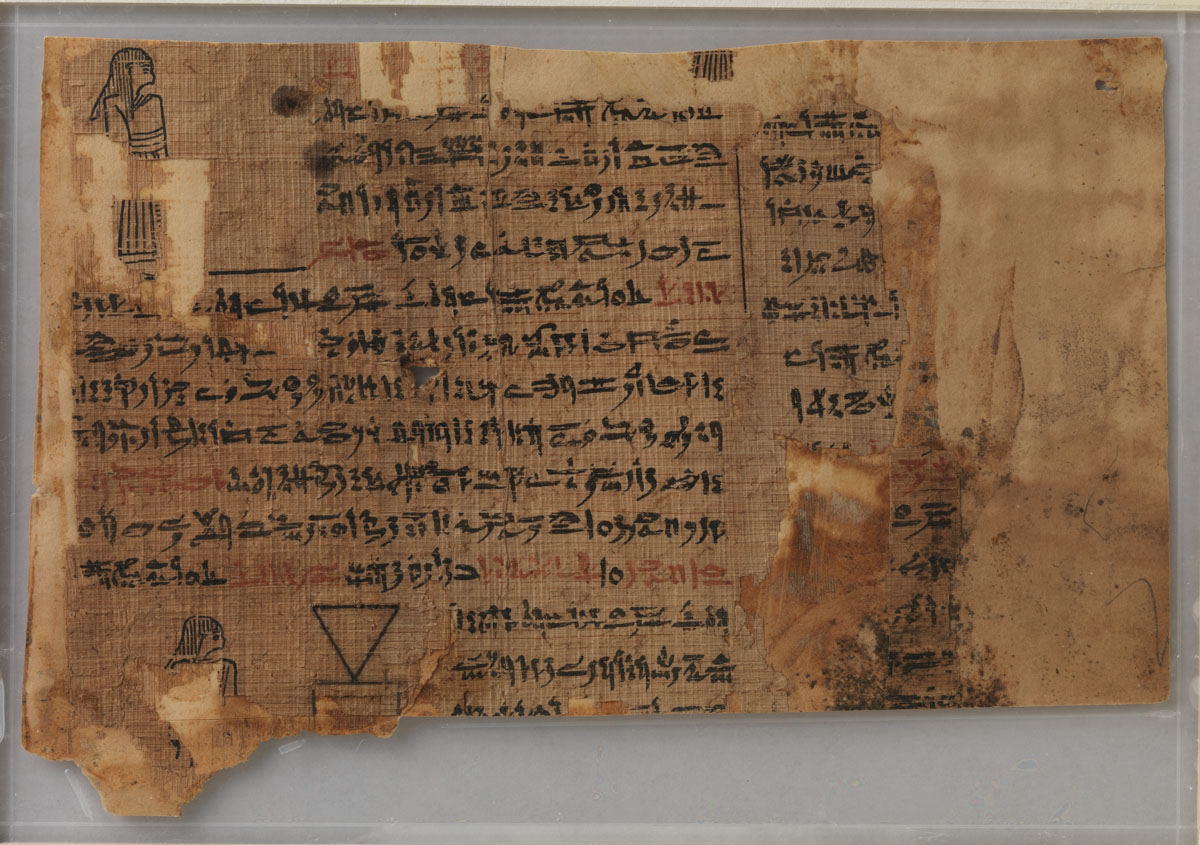 Figure 8. P. Joseph Smith VIII, fragment of the Book of the Dead of Tshemmin, ca. 300–100 BC. © Intellectual Reserve, Inc. Courtesy Church History Library, The Church of Jesus Christ of Latter-day Saints.
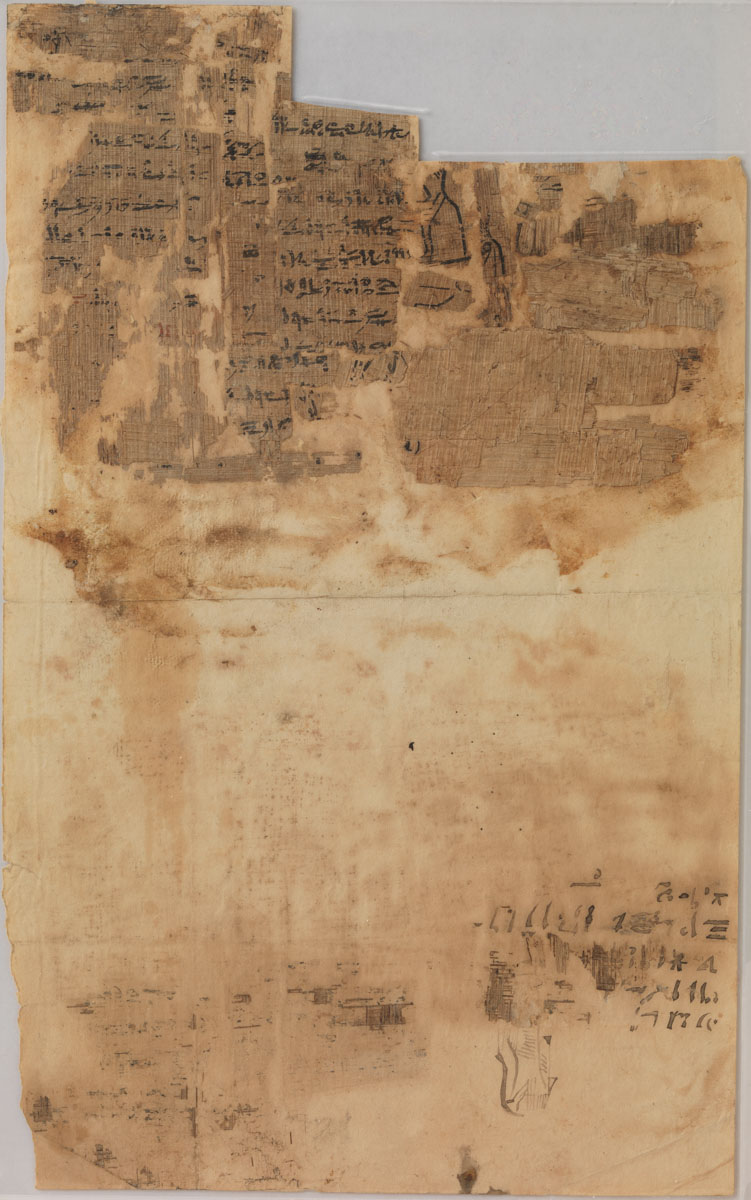 Figure 9. P. Joseph Smith IX, fragment of the Book of the Dead of Tshemmin, ca. 300–100 BC. © Intellectual Reserve, Inc. Courtesy Church History Library, The Church of Jesus Christ of Latter-day Saints.
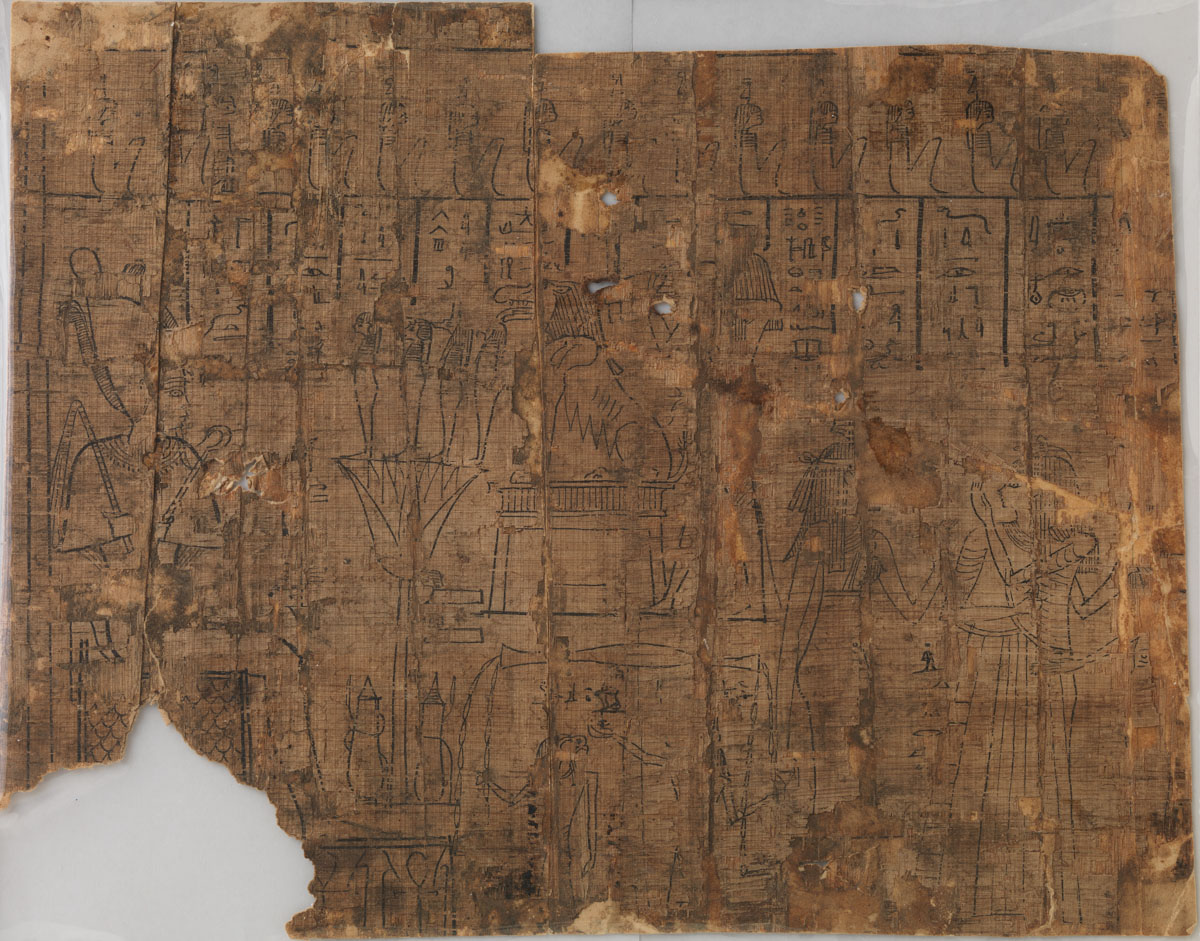 Figure 10. P. Joseph Smith IIIa–b, fragment of the Book of the Dead of Neferirnebu/Tshemmin, ca. 300–100 BC. © Intellectual Reserve, Inc. Courtesy Church History Library, The Church of Jesus Christ of Latter-day Saints.
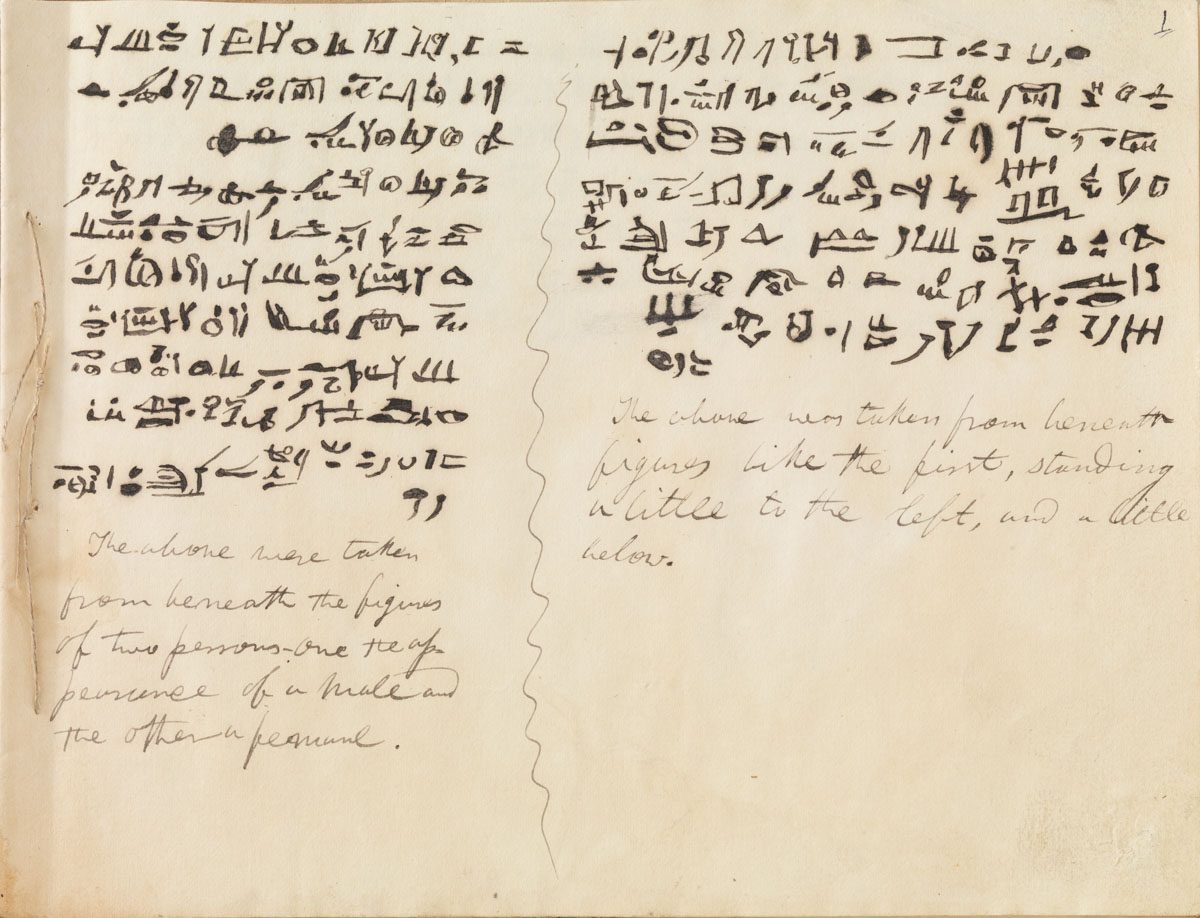 Figures 11 and 12. “Valuable Discovery” (front and back of page), ca. early July 1835, copy of hieratic characters from the Book of the Dead of Amenhotep, date unknown. © Intellectual Reserve, Inc. Courtesy Church History Library, The Church of Jesus Christ of Latter-day Saints.
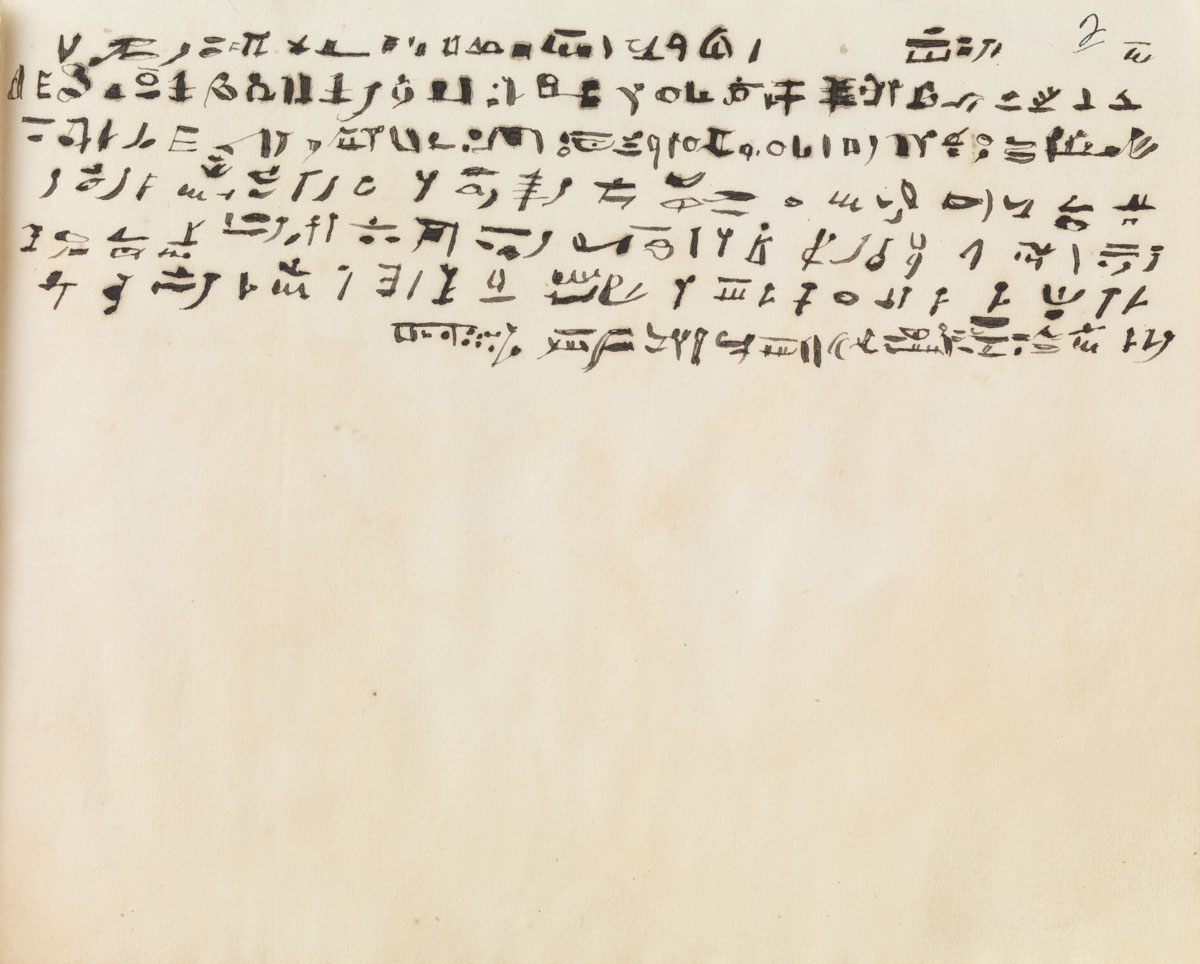 Figures 11 and 12. “Valuable Discovery” (front and back of page), ca. early July 1835, copy of hieratic characters from the Book of the Dead of Amenhotep, date unknown. © Intellectual Reserve, Inc. Courtesy Church History Library, The Church of Jesus Christ of Latter-day Saints.
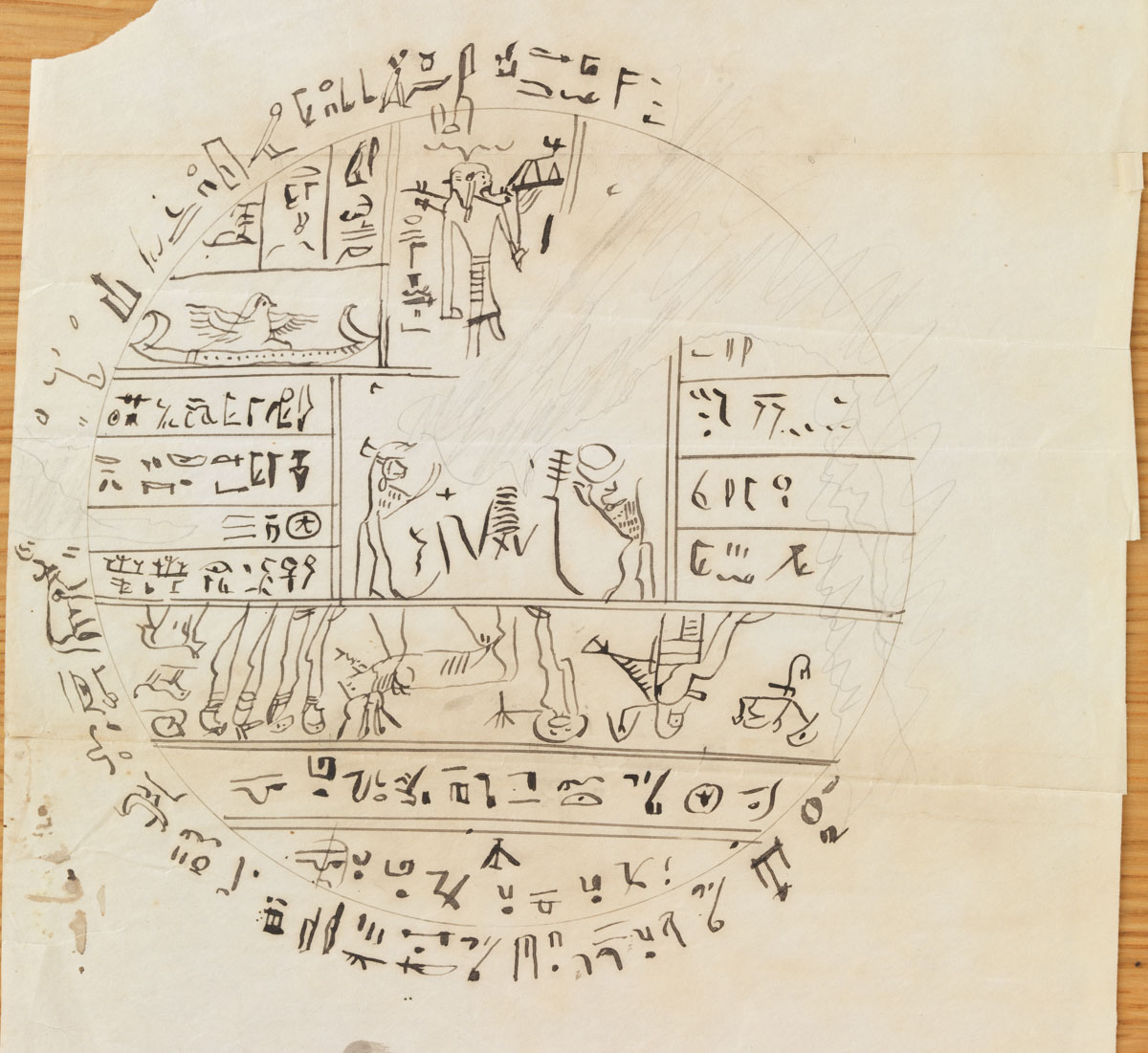 Figure 13. Hypocephalus of Sheshonq, ca. 300–200 BC, copied between ca. July 1835 and ca. March 1842. © Intellectual Reserve, Inc. Courtesy Church History Library, The Church of Jesus Christ of Latter-day Saints.
Notes
1. “History, 1838–1856, Volume B-1 [1 September 1834–2 November 1838],” 595–96, Joseph Smith Papers, accessed December 13, 2022, https://www.josephsmithpapers.org/paper-summary/history-1838-1856-volume-b-1-1-september-1834-2-november-1838/49; “The Book of Abraham,” Times and Seasons 3, no. 9 (March 1, 1842): 704.
2. Jay M. Todd, “Egyptian Papyri Rediscovered,” Improvement Era 71, no. 1 (January 1968): 12–16.
3. The numbering for the papyri used in this article follows the numbering used in Jay M. Todd, “New Light on Joseph Smith’s Egyptian Papyri,” Improvement Era 71, no. 2 (February 1968): 40–49. The papyri can also be viewed online at “Introduction to Egyptian Papyri, circa 300–100 BC,” Joseph Smith Papers, accessed December 13, 2022, https://www.josephsmithpapers.org/paper-summary/introduction-to-egyptian-papyri-circa-300-100-bc/1.
4. For different arguments on the best translation of the title, see John Gee, “A New Look at the ꜥnḫ pꜣ by Formula,” in Actes du IXe congrès international des études démotiques, Paris, 31 août–3 septembre 2005, ed. Ghislaine Widmer and Didier Devauchelle (Paris: Institut Français D’Archaéologie Orientale, 2009), 136–38; and Foy D. Scalf, “Passports to Eternity: Formulaic Demotic Funerary Texts and the Final Phase of Egyptian Funerary Literature in Roman Egypt” (PhD diss., University of Chicago, 2014), 19–26.
5. Michael D. Rhodes, The Hor Book of Breathings: A Translation and Commentary (Provo, Utah: Foundation for Ancient Research and Mormon Studies, Brigham Young University, 2002), 14.
6. Rhodes, The Hor Book of Breathings, 28, brackets in original; see also Mark Smith, Traversing Eternity: Texts for the Afterlife from Ptolemaic and Roman Egypt (New York: Oxford University Press, 2009), 462–78.
7. Marc Coenen, “Owners of the Document of Breathings Made by Isis,” Chronique D’Egypt 79, no. 157–58 (2004): 61.
8. Marc Coenen, “The Ownership and Dating of Certain Joseph Smith Papyri,” in Robert K. Ritner, The Joseph Smith Egyptian Papyri: A Complete Edition, P. JS 1–4 and the Hypocephalus of Sheshonq (Salt Lake City: Smith–Pettit Foundation, 2011), 58.
9. John Gee, “Book of Breathings,” in The Pearl of Great Price Reference Companion, ed. Dennis L. Largey (Salt Lake City: Deseret Book, 2017), 69.
10. Marc Coenen, “The Dating of the Papyri Joseph Smith I, X, and XI and Min Who Massacres His Enemies,” in Egyptian Religion: The Last Thousand Years, Part II: Studies Dedicated to the Memory of Jan Quaegebeur, ed. Willy Clarysse, Antoon Schoors, and Harco Willems (Leuven: Uitgeverij Peeters en Department Oosterse Studies, 1998), 1103–15; Rhodes, The Hor Book of Breathings, 3.
11. See “The Ancient Owners of the Joseph Smith Papyri,” 201–5 herein.
12. Michael D. Rhodes, Books of the Dead Belonging to Tshemmin and Neferirnub: A Translation and Commentary (Provo, Utah: Neal A. Maxwell Institute for Religious Scholarship, 2010), 5.
13. John Gee, An Introduction to the Book of Abraham (Provo, Utah: Religious Studies Center, Brigham Young University; Salt Lake City: Deseret Book, 2017), 76.
14. Rhodes, Books of the Dead Belonging to Tshemmin and Neferirnub, 7.
15. Rhodes, Books of the Dead Belonging to Tshemmin and Neferirnub, 1. For an accessible overview of the Book of the Dead, consult Foy Scalf, ed., Book of the Dead: Becoming God in Ancient Egypt (Chicago: Oriental Institute Museum Publications, 2017).
16. Gee, Introduction to the Book of Abraham, 76.
17. Marc Coenen, “An Introduction to the Document of Breathing Made by Isis,” Revue d’Égyptologie 49 (1998): 37–45; Marc Coenen, “On the Demise of the Book of the Dead in Ptolemaic Thebes,” Revue d’Égyptologie 52 (2001): 69–84.
18. John Gee, “The Use of the Daily Temple Liturgy in the Book of the Dead,” in Totenbuch—Forschungen: Gesammelte Beitrage des 2. Internationalen Totenbuch—Symposiums, Bonn, 25. bis 29. September 2005, ed. Burkhard Backes, Irmtraut Munro, and Simone Stöhr (Wiesbaden, Ger.: Harrassowitz Verlag, 2006), 73–86; Alexandra von Lieven, “Book of the Dead, Book of the Living: BD Spells as Temple Texts,” Journal of Egyptian Archaeology 98 (2012): 258–59; Giuseppina Lenzo, “Rituals in the Spells of the Book of the Dead in Ancient Egypt,” in Text and Ritual in the Pentateuch: A Systematic and Comparative Approach, ed. Christophe Nihan and Julia Rhyder (University Park, Penn.: Pennsylvania University Press and Eisenbrauns, 2021), 30–57.
19. See Hugh W. Nibley, The Message of the Joseph Smith Papyri: An Egyptian Endowment, The Collected Works of Hugh Nibley 16 (Salt Lake City: Deseret Book; Provo, Utah: Foundation for Ancient Research and Mormon Studies, Brigham Young University, 2005); and Stephen O. Smoot and Quinten Barney, “The Book of the Dead as a Temple Text and the Implications for the Book of Abraham,” in The Temple: Ancient and Restored, ed. Stephen D. Ricks and Donald W. Parry, Temple on Mount Zion Series 3 (Orem, Utah: Interpreter Foundation; Salt Lake City: Eborn Books, 2016), 183–209.
20. Gee, Introduction to the Book of Abraham, 76.
21. See, for example, Rhodes, Books of the Dead Belonging to Tshemmin and Neferirnub, 57–59; and Ritner, Joseph Smith Egyptian Papyri, 205–7.
22. Rhodes, Books of the Dead Belonging to Tshemmin and Neferirnub, 57.
23. Malcom Mosher Jr., “New Light on P. Joseph Smith 2 and 3,” in The Book of the Dead, Saite through Ptolemaic Periods: Essays on Books of the Dead and Related Topics, ed. Malcolm Mosher Jr. (Prescott, Ariz.: SPBDStudies, 2019), 299–312. Note how Gee, Introduction to the Book of Abraham, 57–67, 73–81, anticipated Mosher’s own conclusions.
24. Von Lieven, “Book of the Dead, Book of the Living,” 263–64.
25. Robert K. Ritner, “Book of the Dead 125,” in The Context of Scripture: Volume II, Monumental Inscriptions from the Biblical World, ed. William W. Hallo and K. Lawson Younger Jr. (Leiden, Neth.: Brill, 2003), 59–60; John Gee, “Prophets, Initiation, and the Egyptian Temple,” Journal of the Society for the Study of Egyptian Antiquities 31 (2004): 101–2.
26. Oliver Cowdery, “Egyptian Mummies—Ancient Records,” Latter Day Saints’ Messenger and Advocate 2, no. 3 (December 1835): 236.
27. See Robin Scott Jensen and Brian M. Hauglid, eds., Revelations and Translations, Volume 4: Book of Abraham and Related Manuscripts, Joseph Smith Papers (Salt Lake City: Church Historian’s Press, 2018), 27–41.
28. John Gee, A Guide to the Joseph Smith Papyri (Provo, Utah: Foundation for Ancient Research and Mormon Studies, 2000), 10–13; Ritner, Joseph Smith Egyptian Papyri, 209–13.
29. Ritner, Joseph Smith Egyptian Papyri, 209, misleadingly describes the document as Joseph Smith’s “hand copy.” In fact, besides his signature on the front cover, Joseph Smith’s handwriting does not appear in the “Valuable Discovery” notebook. The English text is in the hand of Oliver Cowdery, and, in the judgment of Jensen and Hauglid, it is “likely” that so are the hieratic characters. See Jensen and Hauglid, Revelations and Translations, Volume 4, 27.
30. Michael D. Rhodes, “A Translation and Commentary of the Joseph Smith Hypocephalus,” BYU Studies 17, no. 3 (Spring 1977): 260–62; Michael D. Rhodes, “The Joseph Smith Hypocephalus . . . Twenty Years Later,” FARMS Preliminary Report (1997). See “The Purpose and Function of the Egyptian Hypocephalus,” 234–46 herein.
31. “The Book of Abraham,” Times and Seasons 3, no. 10 (March 15, 1842): [721].
32. Tamás Mekis, The Hypocephalus: An Ancient Egyptian Funerary Amulet (Oxford: Archaeopress, 2020), 2, 208.
33. See “The Purpose and Function of the Egyptian Hypocephalus,” 234–46 herein.
34. See the discussion in John Gee, “Eyewitness, Hearsay, and Physical Evidence of the Joseph Smith Papyri,” in The Disciple as Witness: Essays on Latter-day Saint History and Doctrine in Honor of Richard Lloyd Anderson, ed. Stephen D. Ricks, Donald W. Parry, and Andrew H. Hedges (Provo, Utah: Foundation for Ancient Research and Mormon Studies, 2000), 175–217; and Kerry Muhlestein, “Papyri and Presumptions: A Careful Examination of the Eyewitness Accounts Associated with the Joseph Smith Papyri,” Journal of Mormon History 42, no. 4 (2016): 31–50.
35. For different perspectives and arguments on the subject of how much papyri is missing and what was potentially contained thereon, see John Gee, “Some Puzzles from the Joseph Smith Papyri,” FARMS Review 20, no. 1 (2008): 117–23; Andrew W. Cook and Christopher C. Smith, “The Original Length of the Scroll of Hôr,” Dialogue 43, no. 4 (2010): 1–42; John Gee, “Formulas and Faith,” Journal of the Book of Mormon and Other Restoration Scripture 21, no. 1 (2012): 60–65; and Christopher C. Smith, “‘That Which Is Lost’: Assessing the State of Preservation of the Joseph Smith Papyri,” John Whitmer Historical Association Journal 31, no. 1 (Spring/Summer 2011): 69–83.